
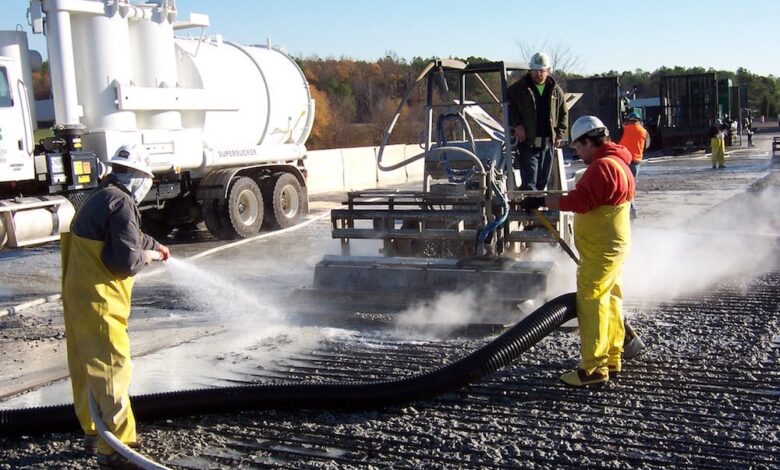
Aging bridges and transport infrastructure continue creating major maintenance challenges for governments and construction industries worldwide. Many concrete structures built decades ago now require extensive repair due to corrosion, weather exposure, heavy traffic loads, and long term structural wear. Traditional demolition methods such as jackhammering and mechanical breaking have been widely used for years, but these techniques can sometimes create additional structural stress and unintended damage during repair work.
As infrastructure repair demands increase, hydrodemolition technology is becoming one of the most important innovations in modern concrete rehabilitation. This high pressure water removal method is transforming how damaged concrete is repaired while improving efficiency, precision, and structural preservation.
Understanding How Hydrodemolition Works
Hydrodemolition uses extremely high pressure water jets to remove deteriorated or damaged concrete without harming the underlying reinforcement structure. Instead of using heavy mechanical impact, the process selectively removes weakened concrete while preserving sound material underneath.
The method is especially valuable for bridge repairs because it can expose steel reinforcement cleanly while reducing vibration and micro cracking often associated with traditional demolition equipment.
Precision removal is one of the biggest advantages of this technology.
Why Bridge Infrastructure Requires More Precise Repairs
Concrete bridges experience constant stress from traffic movement, weather conditions, moisture exposure, and environmental contaminants. Over time, reinforcing steel within concrete may begin corroding, causing cracking, delamination, and structural weakening.
Repair work therefore needs to remove damaged material carefully without creating additional stress on surrounding concrete sections.
Traditional demolition methods may sometimes compromise healthy concrete unnecessarily, particularly in large infrastructure projects where structural integrity is critical.
Reduced Structural Damage Is A Major Advantage
One reason hydrodemolition is gaining popularity is its ability to minimise secondary damage during repair operations. Mechanical demolition tools generate vibration and impact forces that may create hidden fractures or weaken surrounding concrete areas.
Hydrodemolition avoids much of this stress because water pressure removes deteriorated material more selectively and with less physical impact on the remaining structure.
This helps preserve the long term durability of repaired infrastructure.
Improved Bonding For Repair Materials
Hydrodemolition also creates a rough textured surface that improves bonding between existing concrete and replacement repair materials. Strong bonding is essential for long lasting structural rehabilitation and helps improve repair durability over time.
The process naturally cleans reinforcement steel and removes contaminants simultaneously, which can further strengthen repair quality.
Many contractors now use concrete hydrodemolition for infrastructure projects because the technique supports more reliable repair performance in demanding structural environments.
Long term durability has become a major priority in infrastructure maintenance planning.
Safety And Environmental Benefits Are Increasingly Important
Compared with some traditional demolition techniques, hydrodemolition may reduce dust generation significantly because water suppresses airborne concrete particles during removal.
Lower vibration levels may also improve working conditions for crews operating around sensitive infrastructure areas or active traffic environments.
As environmental and workplace safety standards continue strengthening, these advantages are becoming increasingly valuable within infrastructure projects.
Efficiency Is Improving Large Scale Repairs
Modern hydrodemolition systems can cover large bridge surfaces more efficiently than highly labour intensive manual demolition methods. Automated robotic systems now allow operators to remove damaged concrete with greater consistency and precision across large infrastructure sections.
This helps improve productivity while reducing physical strain on workers.
Faster and more controlled repairs are especially important for major transport infrastructure where downtime affects traffic flow and economic activity.
Infrastructure Lifespan Extension Is A Key Goal
Repairing bridges effectively is often more cost efficient than full replacement. Governments and infrastructure agencies increasingly focus on extending the usable lifespan of existing structures through advanced rehabilitation technologies.
Hydrodemolition supports this goal by enabling targeted repairs that preserve more of the original structure while improving long term performance.
Sustainable infrastructure management now prioritises preservation as well as replacement.
Helpful Related Infrastructure Research
Industry professionals also benefit from reviewing bridge rehabilitation engineering methods and sustainable concrete repair technologies because these related topics provide broader insight into modern infrastructure maintenance and long term asset management strategies.
Better repair planning supports stronger infrastructure resilience.
Hydrodemolition In Infrastructure Repair
Hydrodemolition is transforming bridge repair and infrastructure rehabilitation by offering a more precise, less destructive alternative to traditional concrete removal methods. The technology helps preserve structural integrity, improve repair bonding, reduce vibration damage, and support safer working conditions during large scale maintenance projects.
As infrastructure systems continue aging globally, advanced repair methods like hydrodemolition are becoming increasingly important for extending bridge lifespan and improving long term durability.
The growing adoption of hydrodemolition reflects a broader shift toward smarter, more sustainable, and more efficient infrastructure maintenance strategies designed to protect critical transport systems for future generations.
