Electric Car Dashboards Are Redefining What Drivers Expect Inside the Cabin

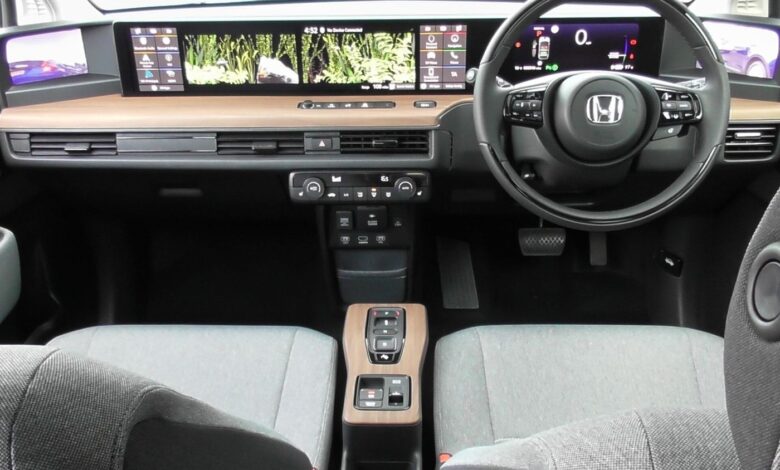
Step inside a modern electric car and the dashboard often looks more like a carefully designed digital workspace than a traditional set of dials. Large touchscreens now handle navigation, charging information, entertainment, and vehicle settings in one place. For drivers, the change brings both convenience and a learning curve. Clear displays can show remaining range, nearby charging options, and energy use at a glance, which helps with planning longer journeys. At the same time, designers are under pressure to keep essential controls easy to reach. The best systems balance rich information with simplicity, so drivers can understand what the car is doing without taking attention away from the road.
What the Evidence Shows
The next stage of cabin design is about personalisation and clarity. Many vehicles now allow driver profiles that remember seat positions, preferred routes, and display layouts. Voice controls are also improving, letting people adjust settings with spoken requests instead of searching through menus. Safety remains central to these choices, and regulators continue to discuss how much should be handled by touch alone. Carmakers that listen to driver feedback tend to restore physical controls for the most frequent tasks. As software updates become routine, the dashboard will keep evolving after purchase, making thoughtful, uncluttered design more important than impressive screen size alone. Reporting and analysis from sources such as IEEE Spectrum track the same developments, and specialists following electric car dashboards and driver experience say the direction is now consistent across independent lines of evidence.
The Wider Context
Adoption of electric car dashboards and driver experience follows a familiar pattern with an unfamiliar speed. Early users tolerate rough edges in exchange for advantage, mainstream users arrive when the tool disappears into existing workflows, and the market consolidates around whoever made that transition feel effortless. Vendors are racing less on raw performance now than on integration, support and trust.
What Happens Next
The realistic forecast for electric car dashboards and driver experience is steady integration rather than sudden replacement: embedded in products people already use, improving in increments, and regulated in proportion to its reach. The companies and institutions that plan on that basis, training staff and redesigning processes instead of chasing launches, are the ones the adoption data tends to vindicate. You can follow related developments in our coverage of technology.
It is also worth remembering how quickly the picture in this area has changed before. Positions that looked settled a few years ago have been revised as new data arrived, and the same humility is appropriate now. The strongest coverage of this subject, and the most useful advice, tends to come from sources that update their views openly when the facts move, rather than defending an earlier position long after it has stopped fitting the evidence available.