
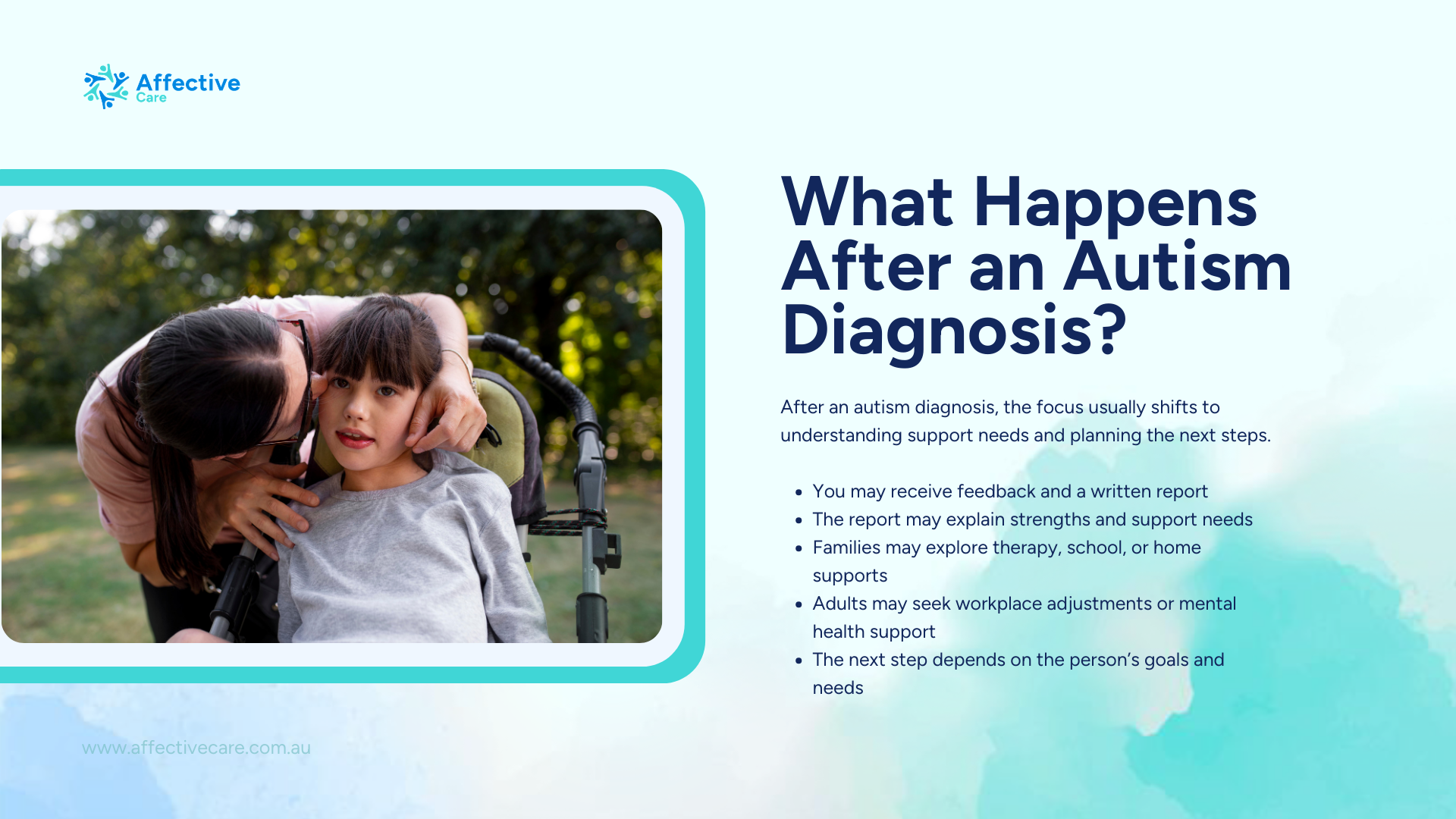
Completing an autism assessment can be an important step toward understanding yourself or your child more clearly. Whether the assessment takes place in person or through autism assessment telehealth, receiving the results is often only the beginning of the journey. Knowing what happens after an autism assessment can make the next stage feel more manageable and help families understand what options may be available.
Understanding Your Assessment Results
After an autism assessment, the first step is usually reviewing the findings with the assessing professional. Depending on the individual circumstances, the assessment may involve information gathered through interviews, developmental history, questionnaires, observations, and other assessment methods.
The clinician will explain whether the assessment findings are consistent with autism and discuss the reasons behind the conclusion. If autism is identified, the discussion may also cover the individual’s particular strengths, challenges, communication style, sensory needs, and everyday experiences.
It is important to remember that an autism assessment is not simply about receiving a label. The information can provide a framework for understanding how someone experiences the world and identifying areas where additional support may be useful.
What If Autism Is Diagnosed?
Receiving an autism diagnosis can bring different emotions. Some people may feel relieved to finally have an explanation for experiences they have had throughout their lives. Others may feel overwhelmed, uncertain, or have many questions about what the diagnosis means.
There is no single correct way to respond. Taking time to process the information can be helpful.
A diagnosis does not change who a person is. Instead, it can provide additional understanding and potentially make it easier to access appropriate services, accommodations, and strategies. The next steps should be based on the individual’s needs rather than on the diagnosis alone.
Developing a Support Plan
Following an assessment, the clinician may discuss recommendations for ongoing support. These recommendations can vary significantly because every autistic person has different strengths, preferences, and needs.
Support may involve speech and language services, occupational therapy, psychological support, educational assistance, social skills development, or other forms of intervention. Adults may also benefit from workplace adjustments, assistance with daily routines, or strategies for managing sensory and social challenges.
Not everyone requires the same level or type of support. Some individuals may need substantial assistance in certain areas, while others may primarily want strategies that make particular situations easier to navigate.
Sharing the Results With Others
For parents and caregivers, another important consideration is deciding who should be informed about the assessment results. For children, sharing relevant information with teachers, childcare professionals, or other support providers can help create a more consistent approach across home and educational environments.
Adults may choose to share their diagnosis with family members, employers, educators, or healthcare professionals depending on their circumstances and comfort level.
There is no universal requirement to tell everyone. Personal information should be shared thoughtfully, particularly when considering workplace or educational settings. A healthcare professional can help individuals understand their options and determine what information may be useful to communicate.
Exploring Educational and Workplace Accommodations
An autism diagnosis may help identify accommodations that can make school, university, or work environments more accessible.
For example, an individual may benefit from clear written instructions, predictable routines, quiet spaces, flexible scheduling, additional preparation time, or adjustments to communication methods. The appropriate accommodations depend on the person’s specific needs.
For children, discussions with schools can focus on practical ways to support learning and participation. For adults, workplace conversations may involve identifying reasonable adjustments that help them perform their responsibilities effectively.
Looking After Emotional Wellbeing
The period following an assessment can involve significant emotional processing. Some people may reflect on childhood experiences, relationships, education, employment, or previous difficulties in a new way.
Professional counselling or psychological support can sometimes help individuals work through these feelings. Support groups and communities can also provide opportunities to connect with people who have similar experiences.
For parents, learning more about autism and finding reliable sources of information can make it easier to understand their child’s experiences and advocate for appropriate support.
What If the Assessment Does Not Result in an Autism Diagnosis?
An assessment that does not result in an autism diagnosis can still provide valuable information. The assessment process may identify other explanations for particular challenges or suggest areas that could benefit from additional evaluation.
For example, difficulties with attention, communication, anxiety, learning, sensory processing, or emotional regulation may warrant further discussion with an appropriate professional.
A clinician may recommend additional assessments, referrals, or support based on the findings. It is therefore useful to ask questions and make sure the assessment results are clearly understood.
Continuing the Conversation
An autism assessment should not necessarily be viewed as a final destination. It can be the starting point for greater self-understanding and more informed decisions about support.
For people who complete an assessment through telehealth, follow-up conversations can also provide an opportunity to clarify recommendations, discuss concerns, and understand what resources may be available. Keeping copies of assessment reports and recommendations can be helpful when communicating with other healthcare, education, or support professionals.
Most importantly, the next steps should be personalised. Autism affects people in different ways, and support should reflect the individual’s circumstances, goals, strengths, and preferences.
Moving Forward With Greater Understanding
Knowing what happens after an autism assessment can make the process feel less uncertain. Whether the outcome confirms autism or highlights another area for further investigation, the information gathered during an assessment can help guide future decisions.
The next stage may involve accessing support, exploring accommodations, learning more about neurodiversity, or simply taking time to process the results. There is no need to make every decision immediately.
With accurate information, appropriate professional guidance, and support from trusted people, individuals and families can use the assessment process as a foundation for understanding needs and identifying practical ways to move forward.
