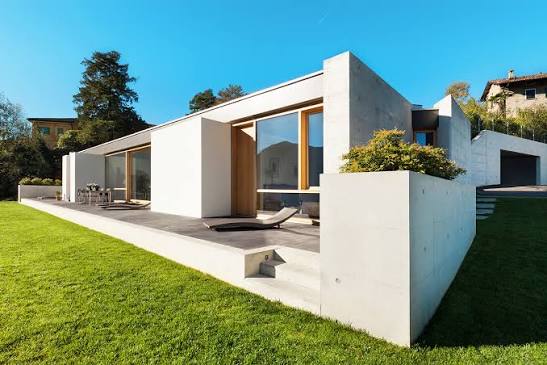
Precast concrete homes are becoming an increasingly popular choice for homeowners looking for durable, energy-efficient, and low-maintenance housing. Manufactured in controlled factory environments before being transported to the construction site, precast concrete components can offer consistent quality and faster installation compared to many traditional building methods.
While these advantages are appealing, one of the first questions most buyers ask is how much a precast concrete home will cost. The answer depends on several factors, including the home’s size, design complexity, site conditions, and finishing selections. Understanding these variables can help homeowners plan a more realistic construction budget.
What Determines The Cost Of A Precast Concrete Home?
Unlike standard residential construction, precast concrete homes involve both factory manufacturing and on-site installation. The final price is influenced by numerous elements rather than a single cost per square metre.
Some of the biggest factors include:
- Home size and floor area
- Architectural design complexity
- Number of storeys
- Structural engineering requirements
- Site accessibility
- Transport distance from the manufacturing facility
- Crane and installation requirements
- Interior and exterior finishes
- Local labour costs
- Council approvals and building permits
Each project is unique, so construction costs can vary considerably.
Size Has A Major Impact On Budget
As with most residential construction, larger homes generally require more materials, longer manufacturing times, and additional installation work.
However, larger projects may also benefit from economies of scale, reducing some manufacturing costs when compared on a per-square-metre basis.
Smaller custom homes may sometimes have a higher cost per square metre because fixed design, engineering, and setup expenses are spread across a smaller building area.
Design Complexity Can Increase Costs
Simple rectangular floor plans are generally more economical than highly customised architectural designs.
Features that may increase project costs include:
- Multiple roof designs
- Curved walls
- Large cantilever sections
- Custom window openings
- High ceilings
- Extensive glazing
- Architectural finishes
- Complex structural connections
Choosing a practical design often helps balance visual appeal with construction efficiency.
Manufacturing Quality Adds Value
One advantage of precast construction is that structural components are manufactured under controlled factory conditions.
This process can improve dimensional accuracy, reduce weather-related construction delays, and minimise material waste during production.
Although factory manufacturing contributes to overall project costs, it often supports higher consistency and quality throughout construction.
Transport And Installation Costs Matter
Unlike traditional building materials delivered in smaller quantities, precast panels must be transported using specialised vehicles and installed with cranes.
Transport costs depend on:
- Distance from the manufacturing plant
- Panel sizes
- Delivery logistics
- Site accessibility
- Local road restrictions
Remote or difficult-to-access building sites may increase overall project costs.
Understanding the cost of precast concrete homes includes considering these logistical expenses, not simply the manufacturing price of the panels themselves.
Site Conditions Influence Construction Expenses
Every building site presents different challenges.
Factors that can affect pricing include:
- Soil conditions
- Excavation requirements
- Sloping land
- Foundation complexity
- Utility connections
- Drainage requirements
- Access for heavy equipment
Sites requiring extensive preparation typically increase total construction budgets regardless of the building system used.
Interior Finishes Affect The Final Budget
The structural shell represents only one portion of the total project cost.
Interior selections such as kitchens, bathrooms, flooring, lighting, cabinetry, painting, electrical work, and plumbing fixtures all contribute significantly to the final investment.
Premium finishes can substantially increase the overall budget compared to standard specifications.
Long-Term Value Should Also Be Considered
Many homeowners evaluate more than just upfront construction costs when comparing building methods.
Precast concrete homes are often valued for benefits such as:
- Excellent durability
- Fire resistance
- Low ongoing maintenance
- Thermal performance
- Sound insulation
- Resistance to pests and moisture
- Long service life
These characteristics may contribute to lower maintenance and operating costs over the lifetime of the home.
Obtain Detailed Project Quotes
Because every project differs, obtaining detailed quotations from experienced precast builders and manufacturers is essential.
Comprehensive quotes should clearly outline:
- Manufacturing costs
- Transport
- Crane installation
- Site preparation
- Foundations
- Internal finishes
- Utility connections
- Landscaping (if included)
- Council and certification costs
Comparing detailed quotations helps homeowners understand the complete project budget rather than focusing only on structural construction costs.
Helpful Related Construction Research
Homeowners planning a new build may also benefit from researching energy-efficient home construction methods and modern prefabricated housing design trends, as these topics provide additional insight into long-term building performance, sustainability, and construction planning.
Final Thoughts
The cost of building a precast concrete home depends on numerous factors, including design, size, location, transport logistics, site conditions, and finishing selections. While initial construction costs may differ from traditional building methods, many homeowners also consider long-term durability, energy efficiency, and reduced maintenance when evaluating overall value.
By carefully planning the project, obtaining detailed quotations, and understanding every cost component, homeowners can make informed decisions and develop realistic budgets that support a successful precast concrete home project.