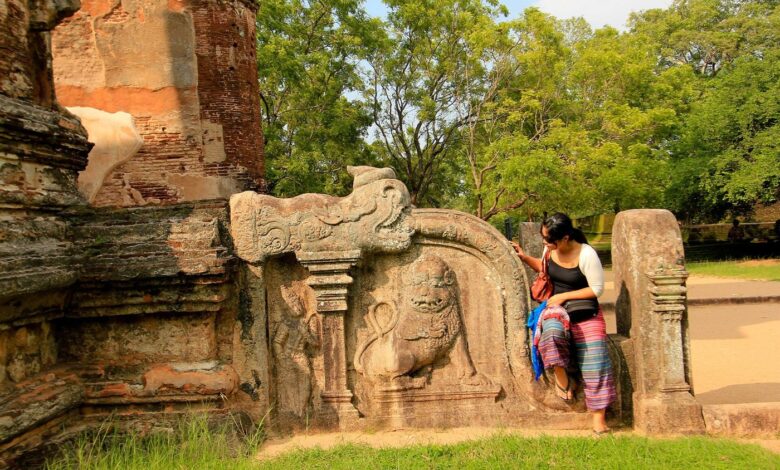
Sri Lanka’s beaches, tea country and ancient cities are filling up again. After a brutal sequence of shocks — the pandemic, the 2022 economic crisis and the austerity that followed — the tourism industry has become the bright spot in a difficult recovery, bringing in foreign exchange the country urgently needs and putting money back into coastal towns, hill-country guesthouses and city hotels alike.
Arrivals, Earnings and a Changed Visitor Mix
The recovery has been driven by volume and by value. Traditional European markets have returned in strength during the winter season, Indian visitors have grown steadily with better air connectivity, and newer markets in the Middle East and East Asia are contributing a larger share than before. Tourism earnings now rank among the island’s top sources of foreign currency, alongside worker remittances and apparel exports — a turnaround closely watched by lenders and analysts, including in Reuters’ Asia-Pacific reporting.
The visitor mix has changed in ways businesses feel on the ground. Independent travellers booking directly, longer-stay remote workers and wellness tourists seeking Ayurveda and yoga retreats are all more prominent, spreading spending beyond the big resort corridors into family-run properties. Our tourism coverage follows arrivals data and industry reaction through the season.
The Wider Economic Picture
Tourism’s rebound sits inside a larger, still-fragile stabilisation. Inflation has fallen from crisis peaks, interest rates have eased, and the rupee has steadied — giving businesses room to plan again. The World Bank’s Sri Lanka programme notes both the progress and the remaining vulnerabilities: debt restructuring obligations, the cost of essential imports, and poverty levels that remain above pre-crisis marks.
For ordinary households, the recovery feels uneven. Jobs in hospitality, transport and food supply chains have returned with the tourists, and small enterprises near major attractions report their best seasons in years. But utility prices, taxes and the cost of imported goods still squeeze family budgets, and economists warn that one external shock — an oil spike or a weak global season — could test the recovery quickly.
What Comes Next for the Industry
The industry’s agenda now is about quality as much as quantity: better roads and rail links to the cultural triangle, consistent visa policy, trained hospitality staff, and marketing that sells the island’s diversity — surf on the east coast, leopards in the south, tea in the hills — rather than sun and sand alone. Environmental management is part of the same conversation, as popular sites weigh the revenue of more visitors against the cost to reefs, parks and heritage.
Sri Lanka has rebuilt its tourism before, and the fundamentals that draw visitors have not changed. The task now is converting a strong rebound into durable income — for the treasury, yes, but also for the guesthouse owner, the driver and the guide whose livelihoods depend on it. Track the numbers with us in our economy section.