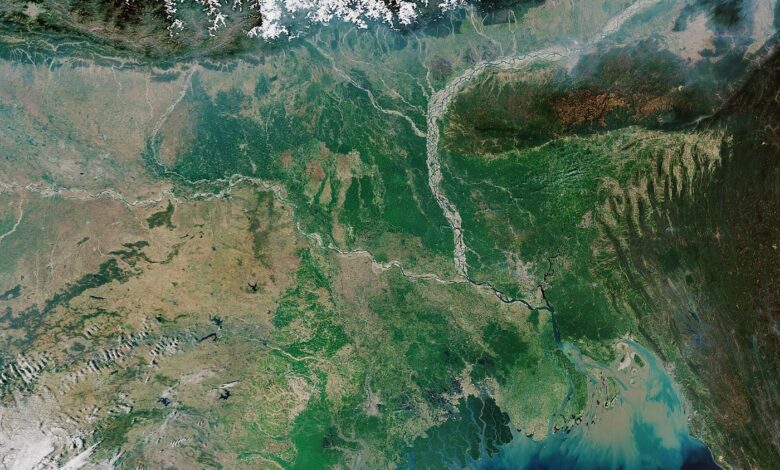
The South Asian monsoon is the largest single weather event in the world economy. Between June and September it delivers most of the year’s rain to well over a billion people, fills the reservoirs, recharges the groundwater and decides the size of harvests from Punjab to the Mekong delta. When it behaves, economies breathe easier. When it fails — or arrives all at once — the costs cascade through food prices, power generation, insurance and government budgets.
Rain as an Economic Input
Agriculture still employs a huge share of South Asia’s workforce, and a large fraction of its farmland depends directly on the rains. A well-distributed monsoon lifts rural incomes, and rural incomes in turn drive demand for everything from motorcycles to mobile phones — a link central banks watch closely. The World Bank’s South Asia work consistently treats monsoon performance as a core variable in the region’s growth outlook, shaping expectations for inflation as much as output.
Water stored during the season is also energy: hydropower output, irrigation for the dry-season crop and city water supplies all bank on the monsoon arriving on time. Our economy coverage tracks how each season’s rainfall translates into prices at the market stall.
Too Much, Too Fast: The Flood Bill
The modern monsoon problem is increasingly distribution rather than totals. Long dry spells broken by extreme downpours strain drainage, damage roads and bridges, interrupt supply chains and destroy crops at the most vulnerable growth stages. Floods in the region routinely displace millions, and the reconstruction bill falls on governments already managing tight budgets. The United Nations system, through its disaster and climate agencies, has repeatedly flagged South Asia as one of the regions most exposed to climate-driven weather extremes.
Insurance coverage remains thin for the households and small farmers hit hardest, which means losses turn directly into debt. Microfinance defaults, distress migration and school dropouts are all part of the monsoon’s hidden economic ledger.
Adapting to a Less Predictable Season
Responses are taking shape. Forecast agencies have invested heavily in localised, impact-based warnings that tell a district not just expected rainfall but likely flooding. Farmers are shifting sowing dates and diversifying into hardier crop varieties; cities are restoring wetlands and drainage that decades of construction buried. Regional cooperation on river data — the great monsoon rivers all cross borders — remains politically difficult and economically essential.
The monsoon will continue to make and break economic years in South Asia. The difference now is that the region understands the season less as fate and more as a risk to be managed — with better science, better infrastructure and better safety nets for the people who have the least margin when the rains misbehave. More regional analysis is in our South Asia section.