A Practical Guide to Choosing the Right Wheelchair Accessible Vehicle for Your Needs

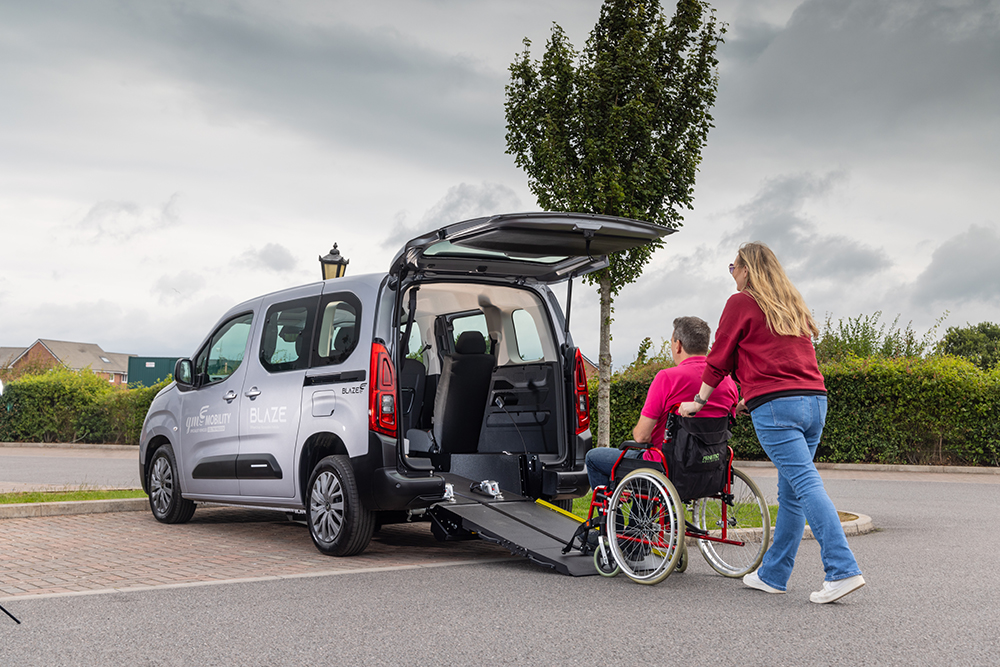
Choosing the right vehicle can make daily travel easier and more comfortable. For wheelchair users, however, a standard vehicle may not always provide the accessibility needed for safe and convenient transportation. This is where wheelchair accessible vehicles can make a meaningful difference.
These vehicles are specially designed or modified to accommodate wheelchair users. They can include features such as ramps, lifts, lowered floors, spacious interiors, and wheelchair securement systems. However, every person’s mobility needs are different. Therefore, it is important to consider several factors before making a decision.
Understand Your Mobility Requirements
Start by considering how you normally travel. Do you remain seated in your wheelchair while traveling? Or can you transfer from your wheelchair to a vehicle seat?
If you remain in your wheelchair, you will generally need enough interior space for the wheelchair and suitable restraint equipment. A rear-entry or side-entry vehicle may be appropriate depending on your needs.
If you can transfer independently, your options may be broader. You might only need equipment that makes entering and exiting the vehicle easier.
Understanding your daily routine can help narrow your choices.
Choose Between Side-Entry and Rear-Entry Access
One of the biggest decisions involves the type of wheelchair access.
Side-Entry Vehicles
Side-entry vehicles typically use a ramp or lift positioned at the side of the vehicle. They can offer convenient access for passengers who need to remain in their wheelchair.
Some side-entry designs also allow wheelchair users to drive from their wheelchair after appropriate modifications.
However, side-entry vehicles may require additional parking space. This can matter when using narrow parking spaces or busy parking lots.
Rear-Entry Vehicles
Rear-entry vehicles use a ramp at the back of the vehicle. They can provide a practical solution for passengers who usually travel as passengers.
Rear-entry designs may also work well for families and caregivers. They can offer straightforward wheelchair access without requiring extra side clearance.
Think about where you usually park and how you use your vehicle before choosing between these options.
Consider the Wheelchair’s Size and Weight
Not all wheelchairs have the same dimensions. Power wheelchairs and mobility scooters can be particularly large and heavy.
Before purchasing a vehicle, measure your wheelchair carefully. Check its:
- Overall width
- Overall height
- Length
- Weight
- Turning radius
- Footrest position
Then compare those measurements with the vehicle’s accessible entry and interior dimensions.
Do not rely only on general vehicle descriptions. A vehicle that works for one wheelchair may not work for another.
Check the Ramp or Lift
The ramp or lift is one of the most important components of an accessible vehicle.
For ramp-equipped vehicles, consider the ramp’s length, width, weight capacity, and angle. A longer ramp can sometimes create a gentler incline.
For lift-equipped vehicles, check the platform dimensions and maximum weight capacity. Also consider how easy the lift is for the wheelchair user or caregiver to operate.
The equipment should feel practical for your everyday routine, not just suitable on paper.
Think About Wheelchair Securement
A wheelchair must remain stable while the vehicle is moving. Therefore, look closely at the available wheelchair securement system.
A quality system should accommodate your wheelchair type and allow proper positioning. Passenger restraint systems are also important.
Ask the dealer to demonstrate how the system works. Ideally, you should practice securing and releasing the wheelchair before making a purchase.
Consider Who Will Drive the Vehicle
Your needs may differ depending on whether you drive or travel as a passenger.
If you plan to drive, you may need additional modifications. These can include hand controls, steering aids, electronic controls, or other adaptive equipment.
If a caregiver or family member will drive, passenger access may be the main priority.
Consider your current needs as well as potential future requirements. Choosing a vehicle that offers flexibility can provide greater long-term value.
Evaluate Interior Space
Accessibility involves more than simply getting inside the vehicle.
Consider the amount of space available around the wheelchair. There should be enough room for comfortable positioning and movement.
Also think about passengers. If you regularly travel with family members, caregivers, or friends, check how many seats remain available after accommodating the wheelchair.
Storage space is another consideration. You may need room for mobility equipment, bags, groceries, or other everyday items.
Compare Vehicle Conversion Quality
Many accessible vehicles start as standard passenger vehicles and receive accessibility modifications afterward.
Therefore, the quality of the conversion matters.
Ask about the company performing the conversion and the equipment being installed. Find out whether replacement parts and service support are readily available.
It is also useful to understand what the warranty covers. A reliable warranty can provide additional confidence when purchasing an expensive modified vehicle.
Set a Realistic Budget
Wheelchair accessible vehicles can vary considerably in price. Your final cost depends on the base vehicle, accessibility conversion, adaptive equipment, and additional features.
When comparing prices, look beyond the purchase price. Consider:
- Insurance costs
- Fuel or charging costs
- Maintenance
- Accessibility equipment servicing
- Replacement parts
- Financing options
- Future modification requirements
A slightly more expensive vehicle may provide better value if it meets your needs for many years.
Always Test the Vehicle Before Buying
Never purchase an accessible vehicle based solely on photographs or specifications.
Arrange a hands-on demonstration whenever possible. Bring the wheelchair you actually use and test the complete process.
Check whether you can:
- Approach the vehicle comfortably.
- Enter using the ramp or lift.
- Position the wheelchair properly.
- Secure the wheelchair.
- Fasten the passenger restraint.
- Exit without unnecessary difficulty.
If possible, have the primary caregiver or regular driver participate in the test.
Think About Your Future Needs
Your transportation needs may change over time. Therefore, avoid choosing a vehicle based only on today’s requirements.
Consider whether you may need a different wheelchair in the future. Think about additional passengers, longer journeys, or changes in who drives the vehicle.
A flexible vehicle can potentially reduce the need for another major modification later.
Final Thoughts
Choosing the right accessible vehicle requires careful planning. Start with your wheelchair, mobility requirements, driving needs, and typical travel routine. Then compare entry styles, interior space, accessibility equipment, safety features, conversion quality, and overall ownership costs.
Most importantly, take time to test potential vehicles before making a final decision. The right choice should provide practical accessibility while fitting comfortably into your everyday life.
Whether you are buying your first modified vehicle or replacing an existing one, researching wheelchair accessible vehicles carefully can help you find an option that offers greater convenience, independence, and confidence on the road.