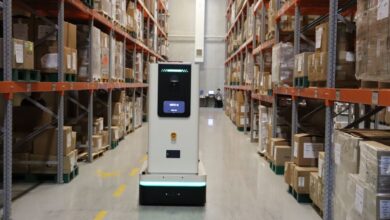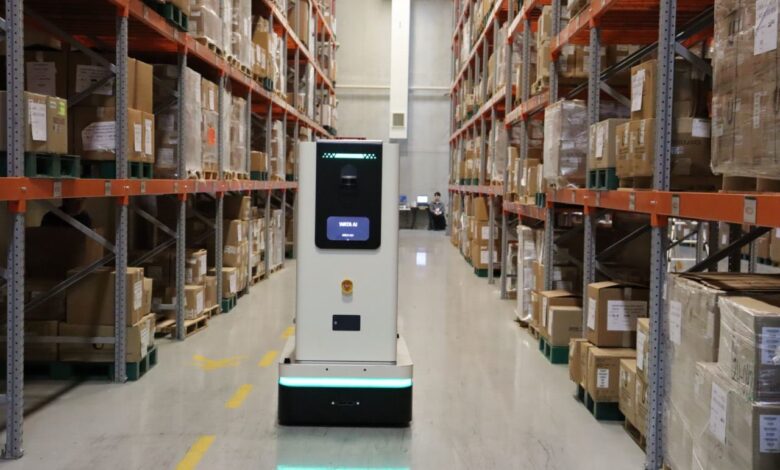
Inside large distribution warehouses, fleets of low, flat robots now glide beneath shelving units, lift them off the floor and carry them to workers waiting at packing stations. The change has transformed how orders are fulfilled: instead of staff walking kilometres each shift between aisles, the goods come to them, cutting picking times and reducing the strain of constant walking and lifting. Warehouse managers say the robots also make better use of space, since shelves can be packed more tightly when people no longer need to walk between them. The systems are guided by software that plans the most efficient routes and avoids collisions, and the robots return to charging bays on their own when their batteries run low. For online retailers facing seasonal peaks, the fleets offer a way to scale up without hiring large numbers of temporary staff. The robots work alongside human staff rather than replacing them, taking over the long walks between shelves while people handle the picking and packing that needs a human touch.
What the Evidence Shows
Workers describe a mixed experience. The physical burden has eased, but the pace of work is set by the machines, and staff must stay alert around moving robots that weigh hundreds of kilograms. Safety systems include sensors that stop a robot when a person steps into its path, and walkways are marked clearly to separate people from machines. Unions are pressing for retraining, so pickers can move into roles maintaining and supervising the fleets rather than being displaced by them. Analysts expect the technology to spread from the largest retailers to mid-sized warehouses as costs fall, and some manufacturers are now offering robots on lease so smaller firms can try them without a large upfront investment. The warehouses of the near future, they say, will be shared spaces where people and machines work side by side. The software behind the fleets is updated regularly, learning from each shift to plan smoother routes and to keep the busiest packing stations supplied without queues forming. Reporting and analysis from sources such as IEEE Spectrum track the same developments, and specialists following the warehouse shelf-carrying robot fleet say the direction is now consistent across independent lines of evidence.
The Wider Context
Adoption of the warehouse shelf-carrying robot fleet follows a familiar pattern with an unfamiliar speed. Early users tolerate rough edges in exchange for advantage, mainstream users arrive when the tool disappears into existing workflows, and the market consolidates around whoever made that transition feel effortless. Vendors are racing less on raw performance now than on integration, support and trust.
What Happens Next
The realistic forecast for the warehouse shelf-carrying robot fleet is steady integration rather than sudden replacement: embedded in products people already use, improving in increments, and regulated in proportion to its reach. The companies and institutions that plan on that basis, training staff and redesigning processes instead of chasing launches, are the ones the adoption data tends to vindicate. You can follow related developments in our coverage of technology.
It is also worth remembering how quickly the picture in this area has changed before. Positions that looked settled a few years ago have been revised as new data arrived, and the same humility is appropriate now. The strongest coverage of this subject, and the most useful advice, tends to come from sources that update their views openly when the facts move, rather than defending an earlier position long after it has stopped fitting the evidence available.