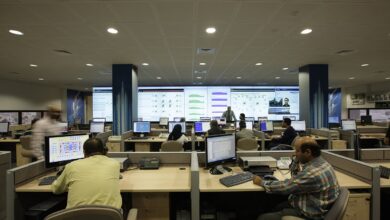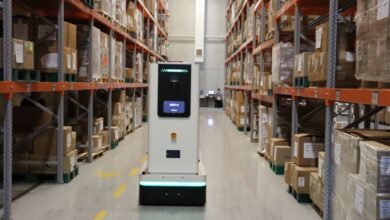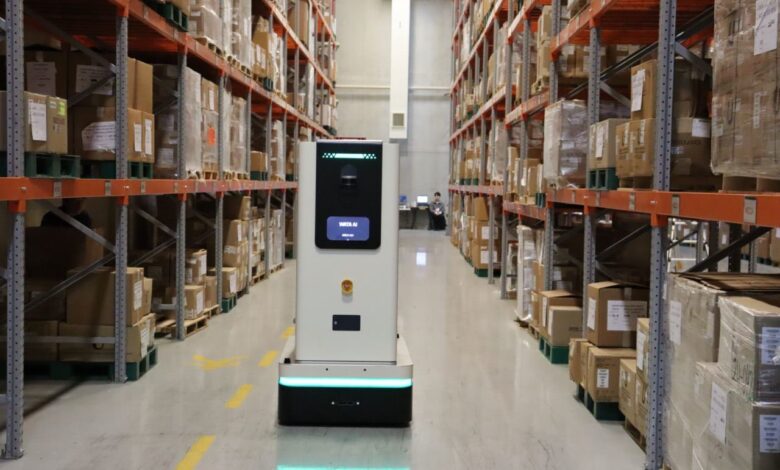
In a busy fulfilment warehouse, the most impressive technology is often the quietest. Fleets of low, flat robots glide beneath tall shelving units, lifting them gently and carrying them to packing stations where people pick the items customers have ordered. Instead of staff walking miles each day between aisles, the shelves now come to them. Sensors help each robot plan a route, slow down near colleagues, and wait its turn at busy crossings. Managers say the change is less about replacing people and more about removing the heaviest, most repetitive journeys from the working day, leaving staff to handle checking, packing and problem solving. The change also reshapes the working day for staff. Pickers stay at well-lit stations with goods arriving in a steady sequence, which reduces heavy lifting and long walks on hard floors. Supervisors monitor a map of the whole fleet on a single screen, spotting congestion early and sending help to any station that is falling behind during the busiest shopping periods of the year.
What the Evidence Shows
Sharing a floor safely takes careful design. Robots use cameras and distance sensors to build a live picture of their surroundings, and they stop automatically if a person steps unexpectedly into their path. Warehouses mark out clear walking routes, charging bays and no-go zones so that humans and machines each understand the shared space. Software coordinates the fleet like traffic control, preventing queues and spreading work evenly across the building. When a robot’s battery runs low, it simply leaves the rotation and heads for a charger. The result is a calmer, more predictable warehouse where goods keep moving steadily through the day. Maintenance teams play a quiet but essential role, cleaning sensors, checking wheels and swapping worn parts before small faults stop a robot mid-aisle. New staff receive training that treats the robots as predictable colleagues with fixed habits rather than obstacles to dodge. As confidence grows, many warehouses report that people and machines settle into a shared rhythm that feels surprisingly natural. Reporting and analysis from sources such as IEEE Spectrum track the same developments, and specialists following warehouse robots say the direction is now consistent across independent lines of evidence.
The Wider Context
Adoption of warehouse robots follows a familiar pattern with an unfamiliar speed. Early users tolerate rough edges in exchange for advantage, mainstream users arrive when the tool disappears into existing workflows, and the market consolidates around whoever made that transition feel effortless. Vendors are racing less on raw performance now than on integration, support and trust.
What Happens Next
The realistic forecast for warehouse robots is steady integration rather than sudden replacement: embedded in products people already use, improving in increments, and regulated in proportion to its reach. The companies and institutions that plan on that basis, training staff and redesigning processes instead of chasing launches, are the ones the adoption data tends to vindicate. You can follow related developments in our coverage of technology.
It is also worth remembering how quickly the picture in this area has changed before. Positions that looked settled a few years ago have been revised as new data arrived, and the same humility is appropriate now. The strongest coverage of this subject, and the most useful advice, tends to come from sources that update their views openly when the facts move, rather than defending an earlier position long after it has stopped fitting the evidence available.