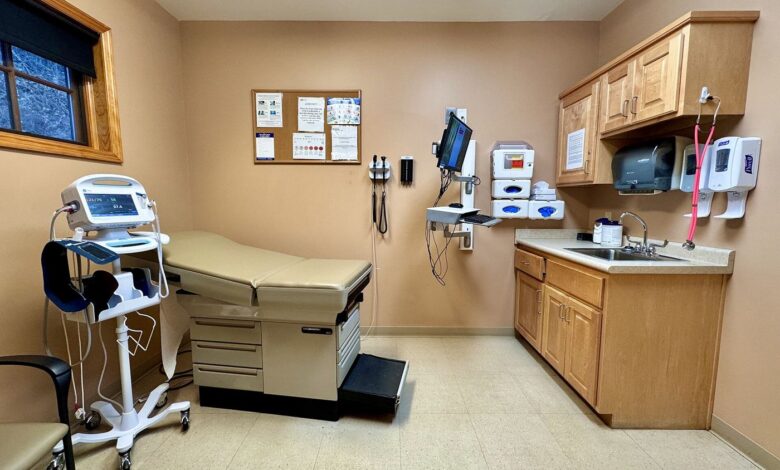
Many adults only visit a doctor when something already feels wrong, yet routine health checks are designed for the opposite moment. They are a chance to review general wellbeing while a person still feels well, and to notice early patterns that might deserve attention later. Specialists following routine preventive health checks say the value lies in building a baseline. Weight, blood pressure, pulse and simple blood tests, where offered, create a record that becomes more useful with every passing year. A single result rarely tells the whole story, but a trend across several visits can guide helpful conversations. The appointment also opens space to discuss sleep, mood, energy, appetite and activity, subjects that often get squeezed out of urgent visits. Doctors stress that a checkup is not a test to pass or fail. It is a structured conversation about everyday habits and family history, handled carefully and without alarm. For many patients, the most useful outcome is simply reassurance, plus one or two realistic changes they can manage at home.
What the Evidence Shows
Not every check leads to further tests, and that is entirely normal. When something does need a closer look, catching it during a routine visit usually means more time to plan and simpler options to consider. Specialists following routine preventive health checks encourage patients to prepare a short list of questions before they arrive. Asking about vaccination status, screening invitations and medicine reviews can make the short appointment far more productive. It also helps to mention small changes that might seem too minor to report, such as persistent tiredness or a cough that keeps returning. Clinics say these details help them see the full picture rather than a snapshot. Booking a check when local services invite you, rather than waiting for symptoms, is a quiet habit with lasting value. It keeps your health record current, strengthens your relationship with your care team, and gives you clear, measured information instead of guesswork when questions about your health arise later. Reporting and analysis from sources such as The Lancet track the same developments, and specialists following routine preventive health checks say the direction is now consistent across independent lines of evidence.
The Wider Context
Equity runs through every discussion of routine preventive health checks. Interventions that require apps, fees or free weekday afternoons reliably reach the people who need them least, so the programmes earning praise are those designed around clinics, workplaces and community venues that already serve everyone. Evaluation reports now publish uptake by income and region as a matter of routine.
What Happens Next
The practical takeaway on routine preventive health checks is deliberately unglamorous: it works best as part of ordinary, well-delivered care rather than as a standalone fix. Health services are planning on that basis, building the referral routes and follow-up that turn a promising result into population benefit. The gains arrive slowly and then, in the statistics, unmistakably. You can follow related developments in our coverage of health.
It is also worth remembering how quickly the picture in this area has changed before. Positions that looked settled a few years ago have been revised as new data arrived, and the same humility is appropriate now. The strongest coverage of this subject, and the most useful advice, tends to come from sources that update their views openly when the facts move, rather than defending an earlier position long after it has stopped fitting the evidence available.